Why Australia’s Ecotourism is Key to Preserving Marine Life
Exploring Australia’s Ecotourism
Every exploration through Australia's thriving ecotourism offerings is like stepping into a repository of natural wonders. As a marine biologist stationed in Brisbane, my work often brings me to the University of Queensland's marine research facilities. This fertile ground fuels invaluable insights into how our pursuits, whether scientific or leisurely, intertwine with marine ecosystems. Brisbane acts as a gateway to notable marine hotspots that beckon nature lovers from around the globe.
Major Ecotourism Destinations
Moreton Bay, an aquatic neighbour right off Brisbane's coast, showcases an array of vibrant marine life. It's a testament to both nature's resilience and the region's ongoing preservation efforts. Highlighting destinations like Moreton Bay positions it as a major player in our quest for sustainable tourism.
Impact on Marine Ecosystems
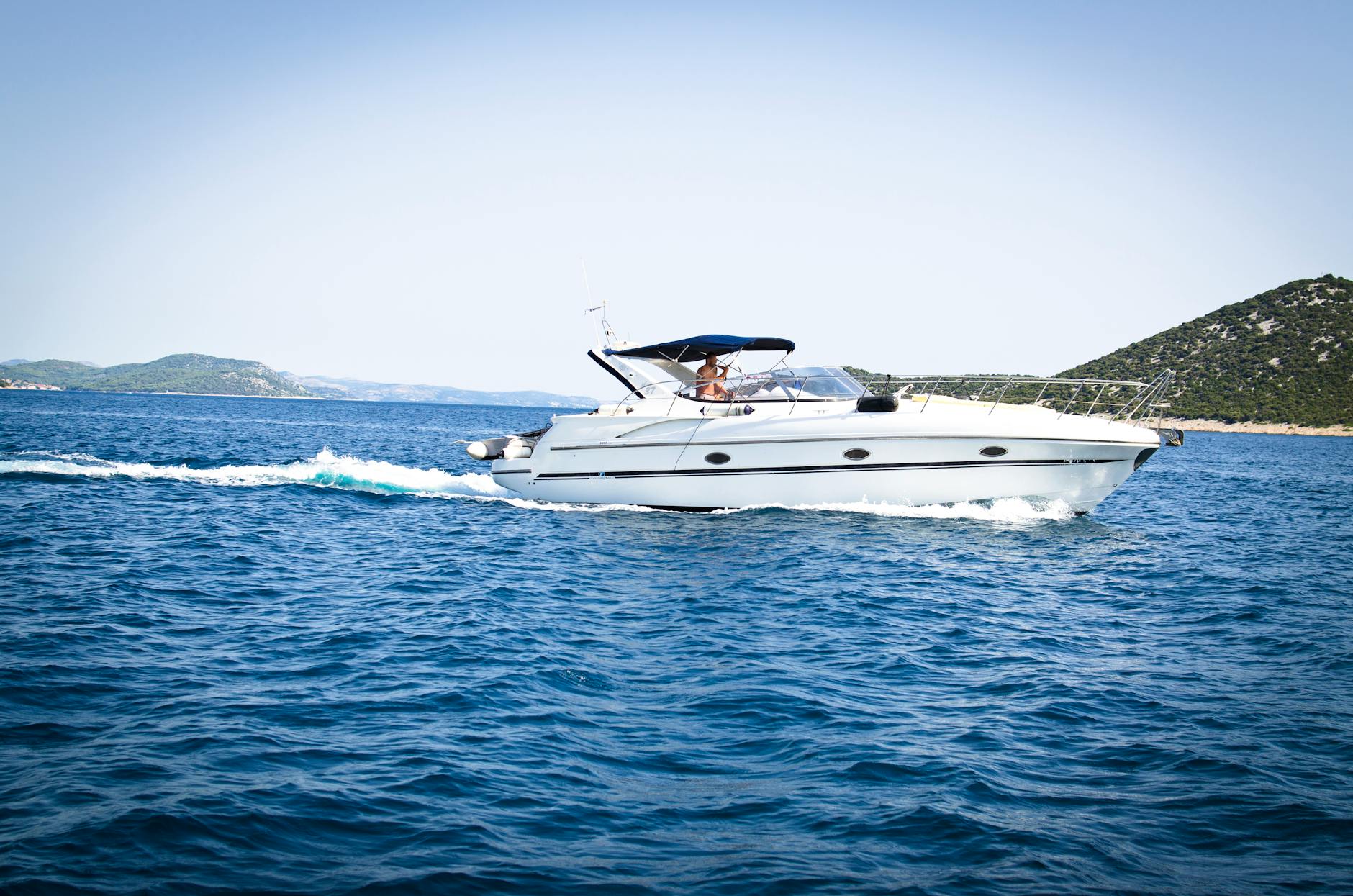
When you rent a sailboat or partake in a boat yacht charter around these pristine areas, keep the broader implications on marine ecosystems in mind. Knowledgeable operators are integral to ensuring our sailings do not disturb the balance under the waves.
Sustainable Tourism Trends
The link between tourism and conservation requires understanding nuances like the cost of private charter yacht options that adhere to eco-friendly standards. Ongoing collaboration with yacht companies in implementing sustainable practices is essential. Collectively, this encourages responsible tourism, ensuring that marine splendours remain untouched for future generations.
Benefits to Marine Life
Conservation of Habitats
In the pristine waters surrounding Australia, the conservation of marine habitats is paramount. The University of Queensland's marine research facilities emphasise the significance of protected zones, where ecosystems can flourish without the pressures of human interference. Within these sanctuaries, like those in Moreton Bay, local marine life can thrive. Eco-conscious initiatives, such as those integrated within a boat chartering business, contribute to safeguarding these areas by implementing strict guidelines that prioritize natural preservation.
Restoration of Coral Reefs
Australia's coral reefs, especially the vibrant cays of the Southern Great Barrier Reef, serve as vital ecosystems for an array of marine species. Restorative efforts are critical, and the research conducted by local marine biologists offers valuable insights into effective methods for coral restoration. Practices like coral gardening and the installation of artificial reefs are gaining traction. Some lagoon charter firms are even turning their focus towards supporting these restoration initiatives, incorporating them into educational tours.
Promotion of Biodiversity
Promoting marine biodiversity is crucial for ecological balance. Innovative practices such as those pursued by local conservation groups encourage responsible tourism, which results in a richer underwater tableau. Luxury yacht rental near me services can play a role in this by offering eco-themed tours that educate participants about the importance of biodiversity, engaging them with the stories of species flourishing through dedicated rehabilitation efforts. By fostering a better understanding of marine ecology, these initiatives help ensure the sustainability of our stunning aquatic environments.
Ecotourism Practices
Reducing Environmental Footprint
In ecotourism, especially around popular destinations like the famous beach Whitsundays, reducing our environmental footprint is paramount. As a marine biologist, I often highlight simple yet impactful actions for charter yachts. These include the use of eco-friendly cleaning products, selecting routes that minimise disturbance to marine habitats, and implementing waste management systems that differentiate between recyclable and non-recyclable materials.
Eco-friendly Charter Guidelines
Establishing eco-friendly charter guidelines is crucial in protecting our delicate marine ecosystems. For instance, charters can enforce regulations that limit anchoring in sensitive areas to prevent boat anchors from damaging coral reefs. Many companies, including Whitsundays charter yachts Australia, have incorporated environmental briefings for guests, guiding them on how to interact responsibly with marine life. This includes avoiding touching marine animals and maintaining a respectful distance.
Community Involvement and Education
Community involvement and educational initiatives are vital in fostering a culture of sustainability. Collaborations with local organisations and academic institutions, such as the University of Queensland's marine research facilities, can enhance public awareness. Conservation workshops hosted in these facilities offer valuable insights into marine ecosystems and the importance of sustainable practices. Engaging the local population through educational campaigns further ensures long-term commitment to ecotourism principles, benefiting areas like Moreton Bay and beyond.
Challenges in Ecotourism
Balancing Profit and Conservation
Balancing financial gains with marine conservation efforts poses a challenge in ecotourism. Sustainable practices are essential to ensure the continued beauty and biodiversity of areas like the Whitsundays, renowned for their pristine waters and vibrant coral reefs. A cooperative approach among businesses, conservationists, and communities can promote responsible tourism. For instance, initiatives such as Whitsunday sail boat hire, which incorporates eco-friendly practices, offer a way to harmonize income generation with environmental care.
Overcoming Stakeholder Resistance
Encouraging stakeholders to adopt sustainable practices often meets resistance, mainly because of perceived financial losses. Clear communication of the long-term benefits of ecotourism, such as increased tourist interest in companies with robust environmental commitments, can mitigate these fears. In my experience, successful examples from other regions often help. The University of Queensland's collaboration with local businesses in Moreton Bay showcases how environmentally-conscious strategies can attract a dedicated customer base, thereby enhancing profitability while maintaining ecological health.
Addressing Infrastructure Limits
Infrastructure limitations present another hurdle to sustainable tourism. Increased visitor numbers can strain resources, leading to potential environmental harm. Investing in more resilient infrastructure, like waste management systems on the Whitsundays, ensures that tourism growth doesn't lead to environmental degradation. If managed correctly, these upgrades can accommodate tourists while protecting landmarks like the renowned hardy reef Whitsundays, ensuring their preservation for future generations.
Addressing Ecotourism Challenges
Harmonising Profit with Conservation
Balancing profit and conservation is a critical challenge facing those of us committed to marine ecosystem preservation in Australia. While ecotourism can serve as a significant source of revenue, the constant flow of visitors to places like Moreton Bay can endanger local habitats. Striking an effective balance involves implementing visitor caps and entrance fees that contribute directly to conservation projects. An example is the collaboration between local tour operators and the University of Queensland's marine research facilities, which helps channel funds towards environmental protection travel initiatives.
Tackling Stakeholder Resistance
Resistance from stakeholders is another barrier we must address. Often, local communities or businesses might prioritise economic gains over environmental goals. Educational programs, like those conducted in the coral cays of the Southern Great Barrier Reef, offer a practical approach. These initiatives aim to inspire local stakeholders by demonstrating how sustainable practices can lead to long-term prosperity. When communities see first-hand the positive impacts of conservation efforts, resistance tends to diminish.
Surpassing Infrastructure Constraints
Infrastructure limitations present logistical challenges in executing ecotourism projects sustainably. Many marine sites lack basic infrastructure to handle large tourist influxes without damaging fragile ecosystems. Upgrading facilities, such as constructing eco-friendly boardwalks in sensitive areas, can help mitigate environmental impacts. Supporting infrastructure that leverages renewable resources ensures that tourism activities do not compromise the functionality of marine environmental effects habitats. With the right investments, ecotourism can coexist harmoniously with the pristine environments it seeks to showcase.